We have never had greater access to inspiration.
We can move through homes in Copenhagen, restaurants in Tokyo, hotels in Mexico City and ateliers in Paris without ever setting foot in any of them.
We see more, absorb more, and inevitably begin to recognise the same ideas of beauty, taste and authenticity. The strange thing is that the references we experience as personal are often the same ones being absorbed by everyone else. And when the same influences begin shaping all of us, individuality can start to look familiar.
Perhaps we are not losing taste. Maybe we are simply becoming fluent in the same language.
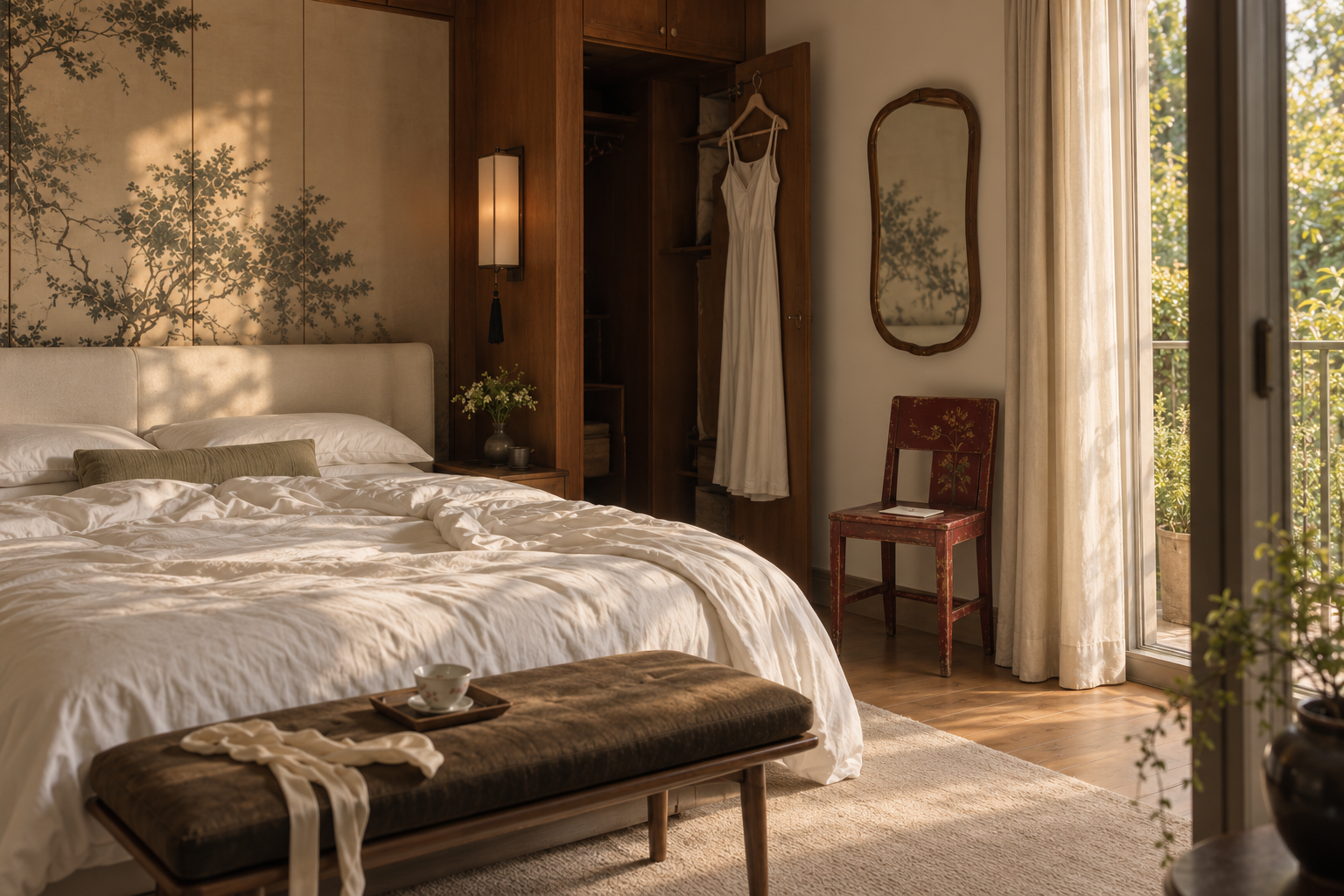
Inspiration has always travelled through books, buildings, magazines, cities and people. What has changed is the speed and volume at which influence now reaches us. The more often we see something, the more familiar it becomes.
Familiarity can quietly become preference, as repeated exposure begins to shape what we believe we like. Do I genuinely love this? Or have I simply seen it enough times to believe that I do?
So maybe authenticity is not about being original.
Nor is it found by rejecting trends, deleting every reference or trying desperately to be different. Perhaps authenticity is something quieter.
It is the ability to absorb what is around you without mistaking it for your own instinct. A home should be shaped by the life lived in it, not just the images that inspired it.
That takes time.
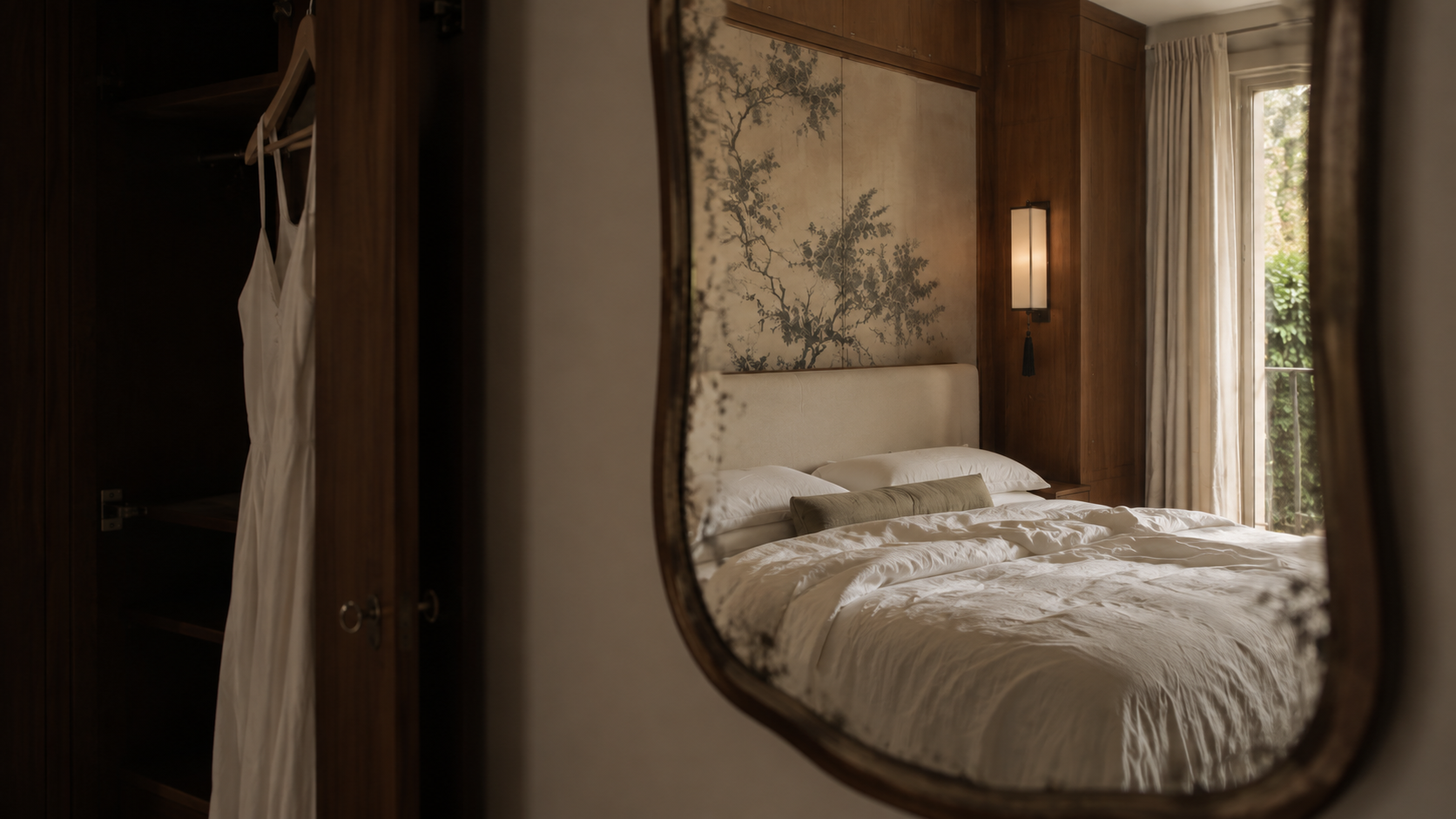
Because a truly individual space is unlikely to be assembled from a perfectly coherent set of references. It may contain things that should not quite work together. Things kept for reasons nobody else would understand. Decisions that would never become a trend because they make sense only to the person or place they belong to.
Maybe authenticity cannot be styled into existence.
It begins when we stop asking whether something looks right, and start asking whether it feels like us.
